In today’s digital landscape, a website is often the first point of contact between a company and its potential customers. To make a lasting impression, an industrial web designer plays a key role in optimizing digital experiences. With expertise in user experience (UX) design, visual aesthetics, and technical implementation, they are responsible for creating engaging and user-friendly websites that not only attract visitors but also convert them into customers.
Table of Contents
An industrial web designer understands the unique needs of the industrial sector, whether it’s manufacturing, construction, or logistics. They are well-versed in creating intuitive navigation systems, organizing complex information, and showcasing products and services effectively. By incorporating the right keywords and utilizing SEO best practices, they ensure that websites rank high on search engine results, driving organic traffic and improving visibility.
In addition to technical proficiency, an industrial web designer also considers branding and brand voice, ensuring that the website reflects the company’s identity and values. By maintaining a consistent brand image, they help build trust and credibility among potential customers.
In summary, an industrial web designer is a vital asset for businesses in the industrial sector looking to optimize their digital experiences and create a strong online presence.
Role of an industrial web designer in optimizing digital experiences.
Industrial web designers serve as the architects of digital experiences, particularly in sectors where complexity and specificity are paramount. Their primary role is to bridge the gap between the intricate nature of industrial operations and the need for a seamless online presence. This requires a nuanced understanding of the industry, which enables them to tailor websites that cater to the specific needs of their audience, be it clients, suppliers, or stakeholders. By focusing on user-centric design, they enhance the overall digital experience, ensuring that visitors can easily navigate the website and find the information they need without frustration.
In addition to user navigation, industrial web designers are adept at integrating various functionalities that can streamline interactions and transactions on a website. For instance, they might implement features such as product catalogs, quote request forms, or customer portals that allow for easy access to services. These tools not only improve user engagement but also foster a sense of professionalism and trust, which is crucial in industries where relationships are built on reliability and expertise. This approach ensures that the website does not merely serve as a digital brochure but rather as a dynamic platform that actively supports users’ needs.
Moreover, the role of an industrial web designer extends beyond aesthetics and functionality; it encompasses the technical aspects of website performance as well. This includes optimizing loading speeds, ensuring mobile responsiveness, and maintaining security protocols to protect user data. By considering these factors, industrial web designers help create a robust digital environment that not only attracts visitors but also retains them. This holistic approach to web design is essential for optimizing digital experiences, as it aligns with the broader goals of the business while addressing the practical requirements of users.
Understanding user experience (UX) design in industrial websites
User experience (UX) design is a fundamental component of industrial web design, focusing on enhancing user satisfaction through improved usability, accessibility, and interaction with the website. In the industrial sector, where the target audience may include engineers, technicians, and procurement officers, the complexity of information is often high. Therefore, a successful UX design must prioritize clarity and intuitiveness, enabling users to navigate through intricate data with ease. Understanding the user journey is critical, as it highlights how visitors interact with the website and where potential bottlenecks may occur.
To create an effective UX design, industrial web designers begin by conducting thorough research into user behaviors and preferences. This may involve user interviews, surveys, and usability testing to gather insights into what users expect from the website. Based on this data, designers can create user personas that represent various segments of the audience, allowing them to tailor the design to meet specific needs. For instance, a procurement officer may prioritize quick access to product specifications and pricing, while a technician might look for detailed operational manuals. By accommodating these diverse needs, designers can enhance the overall user experience.
Another crucial aspect of UX design in industrial websites is the implementation of clear and logical information architecture. This involves organizing content in a way that makes sense to users, allowing them to easily locate relevant information without unnecessary clicks. Effective labeling, intuitive categorizations, and search functionalities are essential components that contribute to a streamlined navigation experience. Additionally, incorporating visual hierarchy through layout and design elements can guide users’ attention to key areas of the site, ultimately leading to higher engagement and conversion rates.
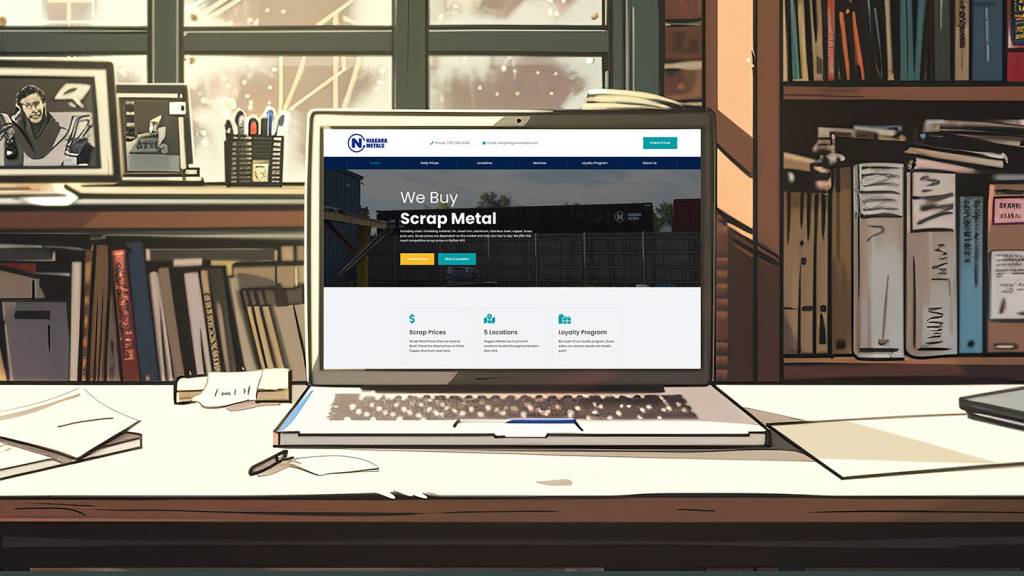
Elements of effective industrial web design.
Effective industrial web design encompasses several key elements that work together to create a cohesive and engaging online presence. One of the most critical components is a clean and professional visual aesthetic that aligns with the brand’s identity. This includes the use of appropriate color schemes, typography, and imagery that reflect the essence of the industrial sector. For instance, a manufacturer’s website might feature bold colors and robust fonts to convey strength and reliability, while also using high-quality images of their products and facilities to showcase capabilities.
Another vital element is the responsiveness of the website, which ensures that it functions seamlessly across various devices, including desktops, tablets, and smartphones. With an increasing number of users accessing websites on mobile devices, industrial web designers must prioritize responsive design principles. This involves creating flexible layouts that adapt to different screen sizes and optimizing touch interactions for mobile users. By ensuring that the website is accessible on any device, companies can reach a broader audience and enhance user satisfaction.
Content organization is also crucial in effective industrial web design. Given the technical nature of many industrial products and services, it’s essential to present information in a way that is digestible and easy to understand. This can be achieved through the use of headings, bullet points, and visually engaging elements like infographics or videos. Furthermore, designers should prioritize clear calls-to-action (CTAs) that guide users towards desired outcomes, such as requesting a quote or contacting sales representatives. By combining these elements, industrial web designers can create websites that not only attract visitors but also convert them into loyal customers.
Industrial web design best practices.
Adhering to best practices in industrial web design is essential for creating effective and engaging online experiences. One of the foremost best practices is to prioritize user-centric design. This involves understanding the target audience and their specific needs, ensuring that the website’s layout, content, and functionalities are tailored to enhance the user experience. By conducting thorough research and usability testing, designers can identify pain points and make informed design decisions that resonate with users, ultimately driving higher engagement rates.
Another important best practice is to maintain a consistent branding strategy throughout the website. This includes using consistent colors, fonts, and imagery that reflect the company’s identity and values. A cohesive branding strategy helps to build trust and recognition among visitors, making it easier for them to connect with the brand. Additionally, incorporating storytelling elements can enhance the emotional appeal of the website, allowing businesses to communicate their mission and vision in a compelling manner.
Performance optimization is also a critical aspect of industrial website design best practices. Designers must ensure that websites load quickly and function smoothly to prevent users from becoming frustrated and leaving the site. This can be achieved by optimizing images, minimizing code, and leveraging browser caching. Furthermore, it’s essential to implement robust security measures to protect user data and build confidence among visitors. By incorporating these best practices, industrial web designers can create websites that not only look great but also perform exceptionally well.
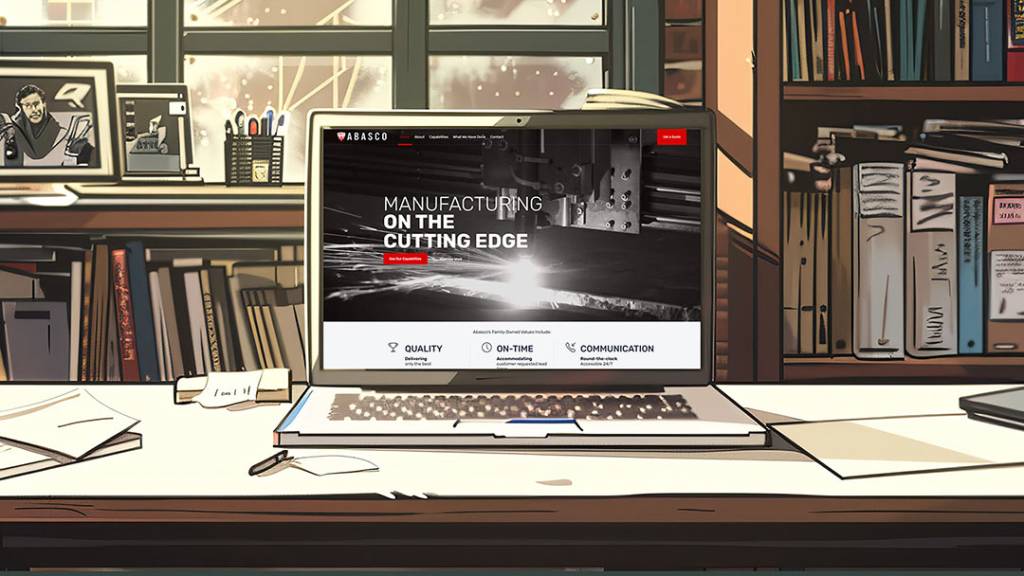
Importance of search engine optimization (SEO) in industrial web design.
Search engine optimization (SEO) plays a pivotal role in industrial web design, as it directly impacts the visibility and discoverability of a website in search engine results. In an increasingly competitive digital landscape, businesses must ensure that their websites are optimized for search engines to attract organic traffic. SEO encompasses various strategies, including keyword research, on-page optimization, and link building, all of which contribute to improving a website’s ranking on search engine results pages (SERPs). For industrial companies, this is particularly important as potential customers often use search engines to find specific products, services, or information.
Keyword research is a foundational element of SEO, allowing web designers to identify the search terms and phrases that potential customers are using. By incorporating these keywords strategically into website content, headings, and meta descriptions, designers can enhance the relevance of the site in relation to user searches. Additionally, creating high-quality, informative content that addresses the needs and questions of the target audience can further bolster SEO efforts. This not only helps improve search rankings but also positions the company as a thought leader in its industry.
On-page optimization is another critical aspect of SEO that industrial web designers must pay attention to. This includes optimizing title tags, meta descriptions, image alt texts, and URL structures to ensure that they align with SEO best practices. Furthermore, ensuring that the website is mobile-friendly and has a fast loading speed can positively impact its search engine ranking. By prioritizing SEO in the web design process, industrial companies can improve their online visibility, attract more qualified leads, and ultimately drive sales.
Conclusion: The future of industrial web design and digital experiences.
The future of industrial web design is poised for significant evolution, driven by technological advancements and changing user expectations. As industries continue to embrace digital transformation, industrial web designers will play an increasingly vital role in shaping the online presence of businesses. Emerging technologies such as artificial intelligence (AI), augmented reality (AR), and machine learning are set to revolutionize the way users interact with industrial websites. For example, AI-powered chatbots can provide instant assistance to users, while AR can offer immersive product demonstrations, enhancing the overall user experience.
Moreover, as the importance of data-driven decision-making grows, industrial web designers will need to focus on analytics and user behavior tracking. By leveraging tools that provide insights into user engagement and conversion rates, designers can make informed adjustments to optimize digital experiences continually. This iterative approach to web design will enable companies to stay ahead of the curve and respond effectively to the evolving needs of their audience.
Lastly, sustainability and inclusivity will become increasingly important considerations in the future of industrial web design. As businesses recognize the value of corporate social responsibility, incorporating sustainable practices into website design and development will be essential. This might involve optimizing websites for energy efficiency or ensuring accessibility for users with disabilities. By embracing these principles, industrial web designers can contribute to a more sustainable and equitable digital landscape, ultimately enhancing the reputation and success of the businesses they serve.