Are you in the self storage industry and looking to optimize your website for maximum effectiveness? Unlocking the secrets to effective self storage website is the key to attracting and converting customers online. A well-designed website is not only visually appealing, but also easy to navigate and provides valuable information to potential customers.
Table of Contents
In today’s digital age, having a website that stands out from the competition is essential. By incorporating keywords strategically, your website can rank higher on search engine results pages and increase organic traffic. However, it’s important to avoid overstuffing keywords, as search engines can penalize websites for this practice.
Creating a strong brand voice is equally important. It helps establish a connection with your target audience, builds trust, and showcases your unique offerings. Whether you aim to convey professionalism, reliability, or affordability, your brand voice should align with your overall business objectives.
In this article, we will explore the secrets to effective self storage website, including keyword integration and establishing a captivating brand voice. By unlocking these secrets, you can enhance your online presence, attract more customers, and ultimately boost your self storage business.
Importance of Effective Website Design for Self Storage Businesses.
In the competitive landscape of the self storage industry, an effective web design serves as a crucial differentiator. With consumers increasingly turning to the internet to explore storage options, a well-crafted website becomes an essential tool for attracting potential customers. It is not merely about aesthetics; it encompasses functionality, user experience, and the ability to communicate brand values. A well-designed website can significantly influence a visitor’s perception of your business and their decision to engage with your services.
Furthermore, a thoughtfully constructed website allows businesses to showcase their unique offerings and stand out from the competition. It provides an opportunity to highlight features such as security measures, unit sizes, pricing, and any special promotions. This kind of transparency fosters trust, which is vital in an industry that deals with customers’ personal belongings. By presenting information in a clear and engaging manner, self storage businesses can create a positive first impression and encourage users to explore further.
Additionally, effective web design is instrumental in driving conversions. The ultimate goal of any self storage website is to convert visitors into customers, and this begins with a seamless online experience. A website that is difficult to navigate or lacks essential information can quickly turn potential customers away. By prioritizing user experience and employing best design practices, businesses can guide visitors toward making reservations or inquiries, thus maximizing their chances of securing new clients.
Key Elements of a Successful Self Storage Website.
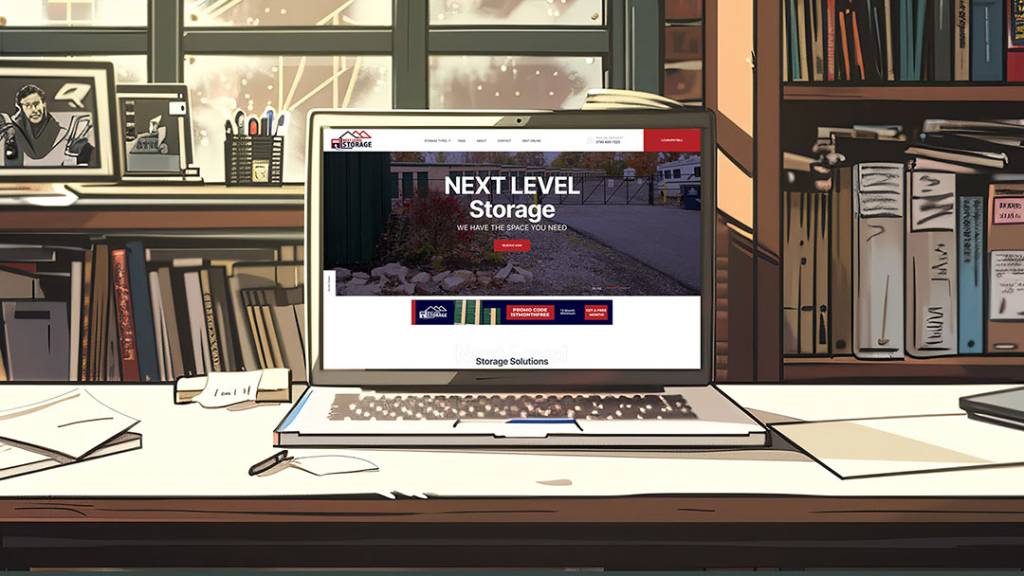
When it comes to crafting a successful self storage website, several key elements must be considered. First and foremost, clarity is paramount. Visitors should be able to easily identify what services are offered and how they can benefit from them. This means creating an organized structure that presents information logically and is easy to digest. Key features such as storage unit sizes, pricing, and location details should be prominently displayed, allowing potential customers to make informed decisions without excessive searching.
Another critical component is the integration of strong branding elements. A successful self storage website should reflect the business’s identity through consistent use of colors, fonts, and imagery. This helps establish brand recognition and fosters a sense of trust among visitors. The tone of voice in the website’s content should also align with the brand’s personality, whether it aims to convey professionalism, friendliness, or expertise. All these elements work together to create a cohesive and inviting online presence.
Finally, incorporating customer testimonials and reviews can significantly enhance the credibility of a self storage website. Positive feedback from previous customers serves as social proof and can reassure potential clients about the quality of service they can expect. Including a dedicated section for testimonials or integrating them throughout the website can effectively build trust and encourage visitors to take the next step toward engaging with the business.
User-Friendly Navigation and Intuitive Layout.
User-friendly navigation is a cornerstone of effective web design, especially for self storage websites. Visitors should be able to find the information they need quickly and effortlessly. A well-structured menu, featuring clear categories for services, pricing, and contact information, can make a world of difference. Additionally, incorporating a search bar allows users to quickly locate specific information, enhancing their overall experience on the site.
An intuitive layout is equally important in guiding users through the website. This involves strategically placing key information and ensuring that the flow of content makes sense. For example, the homepage should highlight essential services and provide easy access to booking or inquiry forms. By minimizing the number of clicks required to access critical information, businesses can reduce frustration and keep potential customers engaged.
Moreover, considering the user journey is vital in creating an intuitive experience. Businesses should anticipate what information visitors might need at various stages of their decision-making process. Providing relevant content, such as FAQs or informative articles about self storage, can help address common concerns and ultimately lead to higher conversion rates. An intuitive layout not only enhances user satisfaction but also reflects positively on the brand as a whole.
Optimizing Website Speed and Performance.
Website speed and performance play a crucial role in retaining visitors and ensuring a positive user experience. Research shows that users tend to abandon websites that take too long to load, often within just a few seconds. Therefore, optimizing load times should be a top priority for self storage businesses. Techniques such as compressing images, leveraging browser caching, and minimizing HTTP requests can significantly enhance website speed, providing a smoother experience for users.
Additionally, performance optimization extends beyond just loading speed. It also encompasses the overall responsiveness of the site. This means ensuring that all interactive elements, such as buttons and forms, function smoothly without lag. Regularly testing the website across different devices and browsers can help identify any performance issues and ensure that users have a consistent experience regardless of how they access the site.
Finally, monitoring website performance using tools like Google PageSpeed Insights or GTmetrix can provide valuable insights into areas for improvement. These tools analyze various factors affecting speed and performance, offering actionable recommendations. By continuously optimizing for speed and performance, self storage businesses can not only enhance user satisfaction but also improve their search engine rankings, ultimately driving more traffic to their website.
Mobile Responsiveness and the Importance of Responsive Design.
In today’s mobile-centric world, having a mobile-responsive design is no longer optional; it’s essential. A significant portion of internet traffic comes from mobile devices, and users expect websites to function seamlessly across all platforms. A mobile-responsive self storage website adjusts its layout and content according to the screen size, ensuring that users have an optimal viewing experience whether they are using a smartphone, tablet, or desktop computer.
Responsive design also plays a vital role in search engine optimization (SEO). Search engines like Google prioritize mobile-friendly websites in their rankings, meaning that businesses with a responsive design are more likely to appear higher in search results. This means investing in responsive design is not only beneficial for user experience but can also significantly impact visibility and attract more potential customers.
Moreover, a mobile-responsive design can enhance engagement. Users are more likely to interact with a website that is easy to navigate on their devices. Features such as large buttons, streamlined content, and accessible forms contribute to a positive experience. By prioritizing mobile responsiveness, self storage businesses can cater to the needs of their audience, ultimately leading to increased inquiries and bookings.
Incorporating Compelling Visuals and High-Quality Images.
Visuals play a pivotal role in web design, especially for self storage businesses. High-quality images can create a strong first impression and convey professionalism and reliability. When potential customers are searching for storage solutions, they want to see what they can expect. Incorporating images of the storage facility, unit sizes, and security features can help paint a clear picture of what the business offers, making it easier for visitors to visualize their belongings in the space.
Additionally, compelling visuals can enhance the storytelling aspect of the website. Using images that evoke emotions or illustrate the benefits of using self storage can help connect with visitors on a deeper level. For instance, showcasing happy customers or well-organized storage units can reinforce the idea of peace of mind and convenience. This emotional connection can motivate potential clients to choose your services over competitors.
Furthermore, it is essential to optimize images for web use. Large file sizes can slow down loading times, negatively impacting user experience. By compressing images while maintaining quality, businesses can ensure that their website remains fast and responsive. Integrating visuals effectively throughout the website, such as in banners, service descriptions, and blog posts, can create a visually appealing and engaging experience that encourages users to explore further.
Implementing Clear and Persuasive Calls-to-Action.
Calls-to-action (CTAs) are critical components of any self storage website, guiding visitors toward desired actions such as making a reservation, requesting a quote, or contacting the business for more information. A clear and persuasive CTA can significantly influence user behavior and drive conversions. To create effective CTAs, businesses should use action-oriented language and ensure that they stand out visually on the page.
Placement is equally important when it comes to CTAs. They should be strategically positioned throughout the website, particularly on high-traffic pages such as the homepage, service pages, and blog articles. Additionally, incorporating multiple CTAs can cater to users at different stages of their decision-making process. For instance, a CTA inviting visitors to “Get a Free Quote” can appeal to those who are ready to engage, while a “Learn More” button can connect with users who are still exploring options.
Moreover, testing and optimizing CTAs can lead to improved performance over time. A/B testing different phrases, colors, and placements can provide valuable insights into what resonates most with the audience. By continually refining these elements, self storage businesses can enhance their conversion rates and effectively guide users toward taking action.
Integrating Online Booking and Reservation Systems.
Incorporating online booking and reservation systems into a self storage website is a game-changer for customer convenience and satisfaction. Today’s consumers expect the ability to book services online, and offering this functionality can significantly streamline the customer experience. An intuitive reservation system allows potential clients to check availability, select unit sizes, and complete bookings with minimal hassle, making it easier for them to choose your services.
Furthermore, an efficient online booking system can help reduce administrative burdens. By automating the reservation process, businesses can minimize manual data entry, reduce errors, and free up staff time for other important tasks. This not only enhances operational efficiency but also allows employees to focus on providing excellent customer service to existing clients.
Additionally, integrating payment processing into the online reservation system can further enhance the experience. Allowing customers to pay securely online at the time of booking can simplify the process and reduce the likelihood of no-shows. By providing a seamless and efficient online booking experience, self storage businesses can not only improve customer satisfaction but also increase their conversion rates and overall revenue.
Conclusion: Taking Your Self Storage Web Design to the Next Level
Effective self storage web design can significantly impact the success of your business in an increasingly digital marketplace. By focusing on key elements such as user-friendly navigation, mobile responsiveness, and compelling visuals, you can create an engaging online experience that attracts and retains customers. Each aspect of your website—from speed and performance to clear calls-to-action—contributes to a cohesive strategy that enhances user experience and drives conversions.
Moreover, by integrating essential features like online booking systems and customer testimonials, you can further solidify your business’s credibility and convenience. As you continue to optimize your website, it’s crucial to stay updated on design trends and user preferences to ensure that your site remains effective and competitive. Regularly assessing your website’s performance and making necessary adjustments can help you stay ahead in the self storage industry.
Ultimately, unlocking the secrets to effective self storage web design is an ongoing process that requires attention to detail and a commitment to excellence. By implementing these strategies, you can take your self storage business to the next level, attracting more customers and fostering long-term success in a rapidly evolving digital landscape.